
RHYNOPLASTY
What is Rhinoplasty?
Rhinoplasty is a highly personalized procedure that can correct a wide range of aesthetic and medical issues, including:
A crooked or asymmetrical nose
Bumps or depressions on the nasal bridge
Wide or flared nostrils
Drooping or upturned nasal tip
Breathing difficulties caused by structural deformities or a deviated septum
The surgery is performed using advanced techniques, with incisions made either inside the nostrils (closed rhinoplasty) or across the base of the nose (open rhinoplasty), depending on your needs. Our surgeons carefully reshape the underlying bone and cartilage to achieve a balanced, refined look while maintaining or improving nasal function.

Improved Breathing
Correct structural issues like a deviated septum for better airflow..

Boosted Confidence
Feel more confident with a refined, natural nose shape.
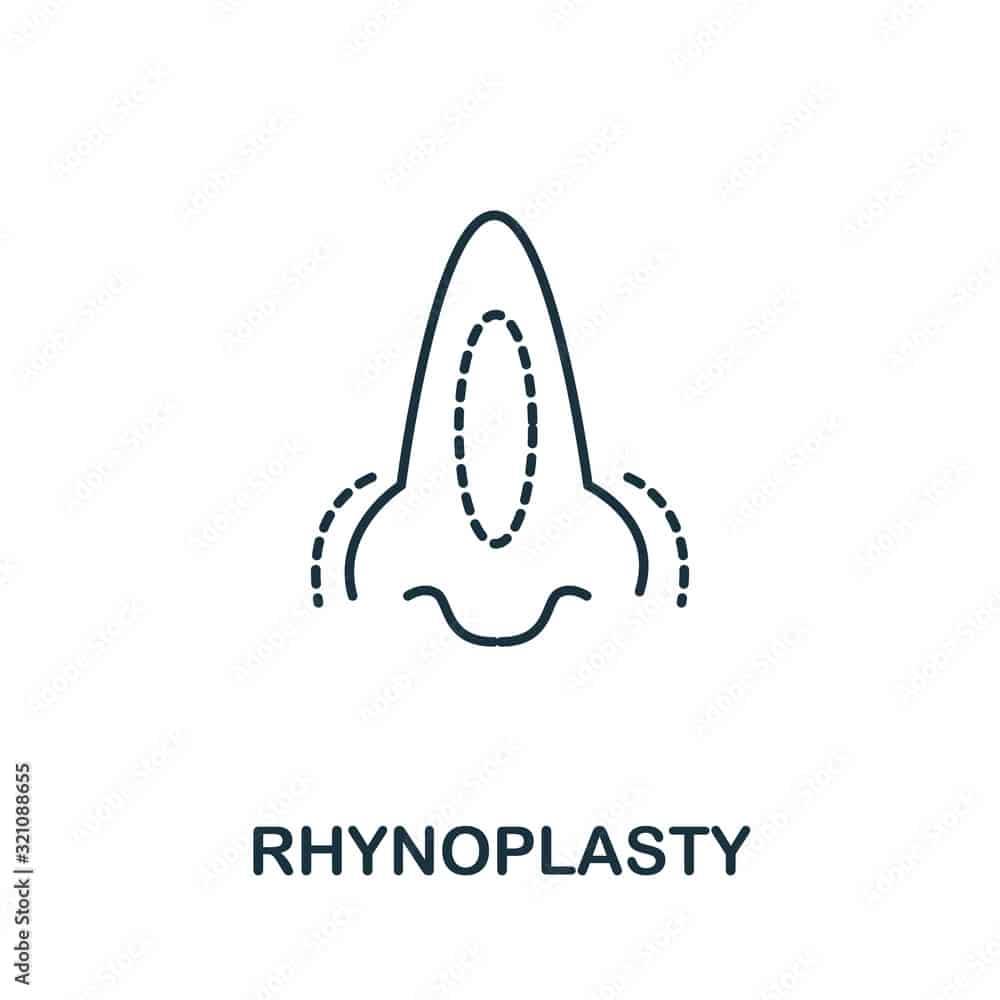
Permanent Results
Long-lasting improvements that enhance both aesthetics and function.
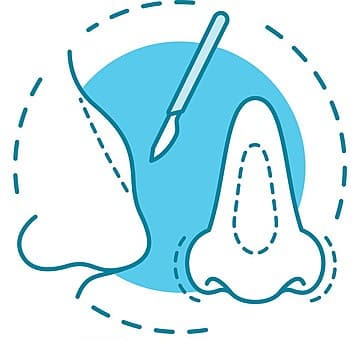
Safe & Precise Procedures
Performed in our fully equipped surgical suites under expert care.
Rhinoplasty – Nose Reshaping Surgery
Rhinoplasty, commonly known as a nose job, is a cosmetic and reconstructive surgical procedure that reshapes and enhances the structure of the nose. It can be performed for aesthetic purposes — to improve facial harmony and appearance — or for medical reasons, such as correcting breathing problems, nasal deformities, or a deviated septum.
During the procedure, the surgeon carefully modifies the bone, cartilage, and soft tissues of the nose to achieve the desired shape and function. Depending on the patient’s goals, Rhinoplasty can reduce or increase the size of the nose, reshape the nasal tip or bridge, narrow nostrils, or correct asymmetry. The surgery is typically done under anesthesia, and incisions are made either inside the nostrils (closed rhinoplasty) or across the base of the nose (open rhinoplasty), ensuring minimal visible scars.
After Rhinoplasty, patients often notice significant improvements not just in appearance but also in self-confidence and breathing comfort. The results are long-lasting and continue to enhance facial balance over time as swelling subsides. In most cases, normal activities can be resumed within 1–2 weeks, and final results are visible in a few months.
Rhinoplasty is especially beneficial for individuals who are unhappy with the shape or size of their nose, have suffered an injury, or have structural nasal blockages that affect airflow. It helps in achieving a more proportionate and natural facial look, improving both aesthetic appeal and overall function.
At Eligere Hospitals, Rhinoplasty is performed using advanced techniques that ensure precise correction, minimal downtime, and safe healing. Our expert surgeons combine medical expertise with an artistic approach to deliver natural, refined, and balanced results that perfectly complement your face.
FREQUENTLY ASKED QUESTIONS
What is Rhinoplasty and why is it done?
- Rhinoplasty, also known as a nose job, is a surgical procedure that reshapes or reconstructs the nose. It can be done for cosmetic reasons — to enhance appearance — or for medical reasons, such as improving breathing or correcting deformities.
Who is a good candidate for Rhinoplasty?
- Anyone who is unhappy with the size, shape, or structure of their nose or has breathing issues caused by a deviated septum or injury can be a good candidate. You should be in good overall health and have realistic expectations.
Is Rhinoplasty painful?
- Most patients experience only mild discomfort after surgery. At Eligere Hospitals, our expert surgeons use advanced techniques and anesthesia to minimize pain and ensure a smooth recovery process.
How long does the surgery take?
- Typically, a Rhinoplasty procedure takes 1.5 to 3 hours, depending on the complexity of the case.
What is the recovery time after Rhinoplasty?
- Most patients can resume light activities within 7 to 10 days. Swelling gradually reduces over a few weeks, and final results are usually visible within 3 to 6 months.
Are there any risks involved in Rhinoplasty?
As with any surgery, there are minor risks like swelling, bruising, or temporary breathing difficulty. However, these are rare and usually subside with proper care and follow-ups.